

Regenerative Peptide Therapy
Exploring the Science of Cellular Repair, Recovery & Healthy Aging
Peptides are short chains of amino acids that act as biological messengers, helping cells communicate and regulate essential functions throughout the body. These functions include tissue maintenance, metabolism, hormone signaling, immune responses, and cellular repair.
At Rejuvenate MediSpa and Wellness, we believe in exploring emerging advances in regenerative and longevity medicine while recognizing the importance of individualized medical care. Several investigational peptides have attracted scientific interest because of their potential influence on healing pathways, cellular resilience, and age-related physiological changes.
IMPORTANT DISCLAMER
Not all peptides have been approved by the U.S. Food and Drug Administration (FDA). Although research is ongoing, the safety and effectiveness of individual peptides may not be established for specific uses. FDA approval and regulatory status vary by product and intended use. Peptide therapies should be discussed with a qualified healthcare professional.

BPC-157
Research Focus: Tissue Repair, Gut Health & Recovery
BPC-157, or Body Protection Compound-157, is a synthetic peptide modeled on a sequence associated with a protein found in gastric juice. It has attracted attention in regenerative medicine for its potential involvement in tissue protection and repair.
Preclinical research suggests that BPC-157 may influence blood vessel formation, cellular migration, and signaling pathways involved in tissue recovery.
Potential Benefits Under Investigation:
Supporting tendon, ligament, and muscle repair pathways
Promoting gastrointestinal tissue protection and healing
Influencing inflammatory responses associated with injury
Supporting blood vessel formation in healing tissues
Encouraging cellular processes involved in recovery
Most favorable findings come from laboratory and animal studies. Human studies have not yet established that BPC-157 safely or effectively treats these conditions.
Wolverine Blend — BPC-157 + TB-500
Research Focus: Musculoskeletal Recovery & Tissue Regeneration
Nicknamed the "Wolverine Blend" after the fictional character's extraordinary healing abilities, this combination brings together two investigational peptides studied for their roles in tissue-repair biology.
BPC-157 has been investigated for its effects on vascular signaling, tissue protection, and cellular repair. TB-500, a fragment associated with thymosin beta-4, is studied for its relationship to cell movement and tissue remodeling.
Potential Benefits Under Investigation:
Supporting biological pathways involved in muscle and connective-tissue repair
Encouraging cellular migration during tissue remodeling
Influencing inflammatory processes associated with injury
Supporting vascular responses important to healing
Exploring complementary mechanisms involved in recovery
Although the combination is popular in regenerative medicine, clinical trials have not established that combining these peptides improves healing or recovery in humans.
TB-500
Research Focus: Cellular Migration, Tissue Remodeling & Recovery
TB-500 is a synthetic peptide associated with thymosin beta-4, a naturally occurring protein involved in cellular movement and tissue maintenance.
Thymosin beta-4 has been investigated for its effects on wound healing, inflammation, and tissue remodeling. These findings have generated interest in TB-500 as a potential regenerative compound, although the two are not interchangeable.
Potential Benefits Under Investigation:
Supporting cellular movement involved in tissue repair
Influencing tissue remodeling and wound-healing pathways
Exploring inflammatory regulation during recovery
Supporting biological processes involved in connective-tissue maintenance
Research involving full-length thymosin beta-4 does not automatically establish the same benefits for TB-500. Clinical evidence for TB-500 itself remains very limited.
CJC-1295 + Ipamorelin
Research Focus: Growth Hormone Signaling & Body Composition
CJC-1295 and ipamorelin are investigational peptides that interact with the body's growth hormone signaling system through different mechanisms.
CJC-1295 acts on growth hormone-releasing hormone receptors, while ipamorelin stimulates the ghrelin receptor pathway. Both have been investigated for their ability to influence growth hormone release.
Growth hormone plays important physiological roles in tissue maintenance, metabolism, and body composition.
Potential Benefits Under Investigation:
Influencing the body's growth hormone signaling pathways
Exploring relationships between growth hormone and lean muscle maintenance
Investigating metabolic and body-composition changes
Studying the role of growth hormone signaling in tissue recovery
Understanding age-related changes in hormonal regulation
Although growth hormone responses have been observed in human studies of certain compounds, meaningful improvements in muscle mass, sleep, recovery, or healthy aging from this combination have not been established in clinical trials.
GHK-Cu — Copper Peptide
Research Focus: Skin Rejuvenation, Collagen & Cellular Renewal
GHK-Cu is a naturally occurring copper-binding peptide found in the human body. It has been studied for its involvement in skin repair, collagen production, antioxidant activity, and cellular signaling.
GHK-Cu is particularly interesting in aesthetic medicine because of its potential influence on skin structure and the extracellular matrix.
Potential Benefits Under Investigation:
Supporting collagen and elastin-related processes
Improving the appearance of skin texture and firmness with certain topical formulations
Supporting skin repair and renewal
Influencing antioxidant and inflammatory signaling
Exploring pathways associated with hair follicle health
Topical GHK-Cu has some human dermatological research supporting its potential cosmetic benefits. Injectable GHK-Cu has not demonstrated equivalent clinical benefits or established safety.
MOTS-c
Research Focus: Mitochondrial Function, Metabolism & Cellular Energy
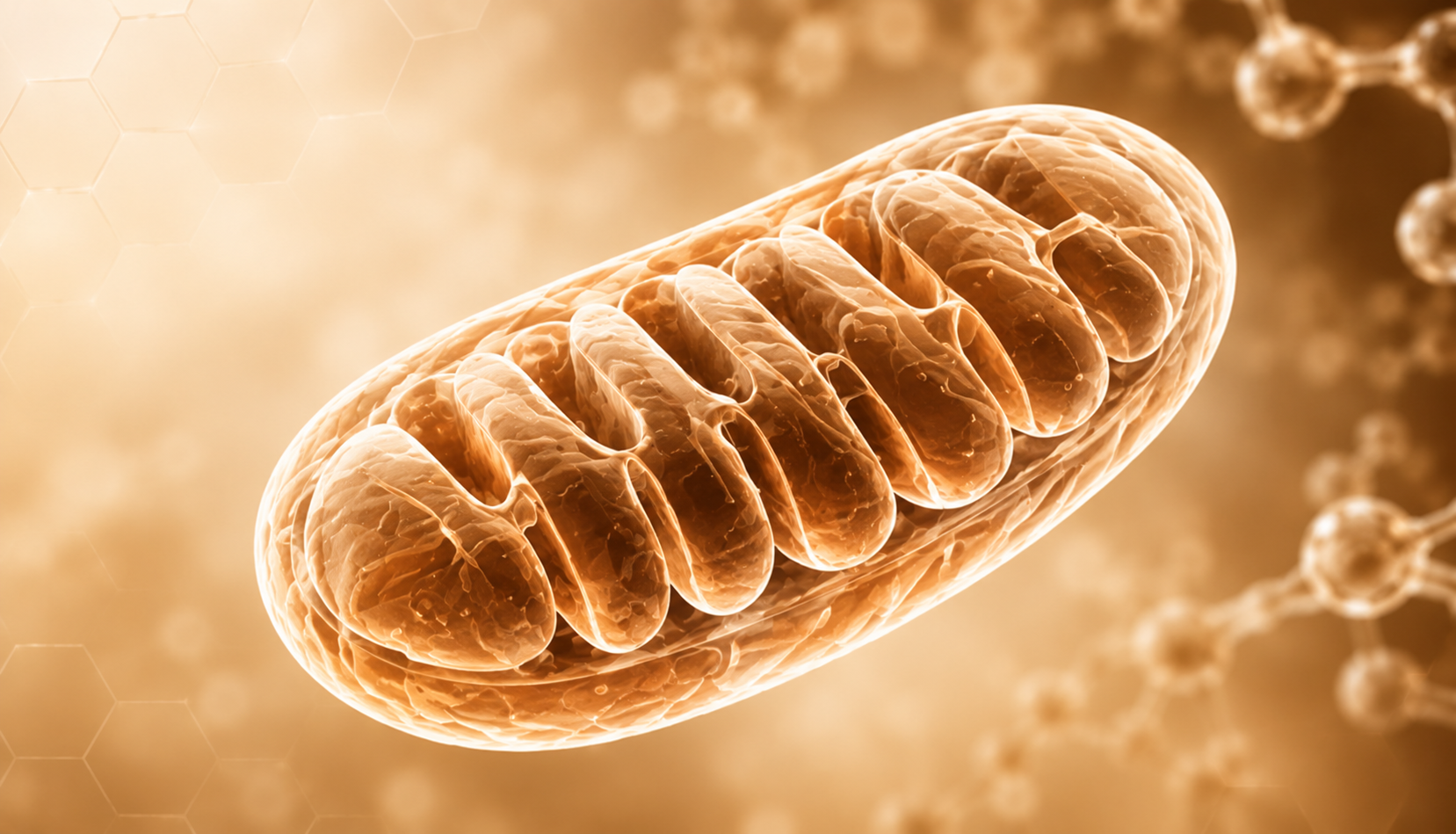
MOTS-c is a naturally occurring mitochondrial-derived peptide that has attracted attention in longevity and metabolic research.
Mitochondria are responsible for much of the energy produced within our cells. MOTS-c is being studied for its relationship to cellular stress responses, metabolic regulation, and the body's adaptation to energy demands.
Potential Benefits Under Investigation:
Supporting research into mitochondrial signaling and cellular energy regulation
Exploring glucose metabolism and insulin sensitivity
Investigating metabolic flexibility and energy utilization
Studying cellular responses to exercise and physical stress
Understanding biological pathways associated with healthy aging
MOTS-c is an exciting area of early-stage research, but its therapeutic benefits and safety have not been established in human clinical trials.
Our Philosophy: Personalized, Science-Informed Care
At Rejuvenate Medi-Spa and Wellness, our approach begins with understanding each individual's medical history, lifestyle, and wellness goals.
We believe patients deserve clear information about emerging therapies, including both their scientific potential and their limitations.
Interested in learning more about peptide research and your wellness options?
Schedule a personalized consultation with our medical team.
Important Information: The investigational peptides described above are not FDA-approved treatments for tissue repair, athletic recovery, anti-aging, or the other proposed uses discussed. Most supporting evidence comes from laboratory or animal studies, and human safety and effectiveness remain uncertain. Descriptions of potential biological benefits are educational and do not represent established clinical outcomes or guarantees of treatment.